

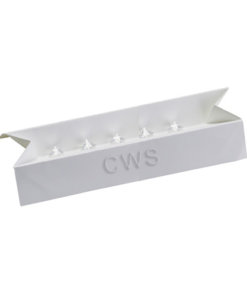
Diamond Colour Cards
Price range: R229.00 through R230.00
D0205 Select Size From Menu
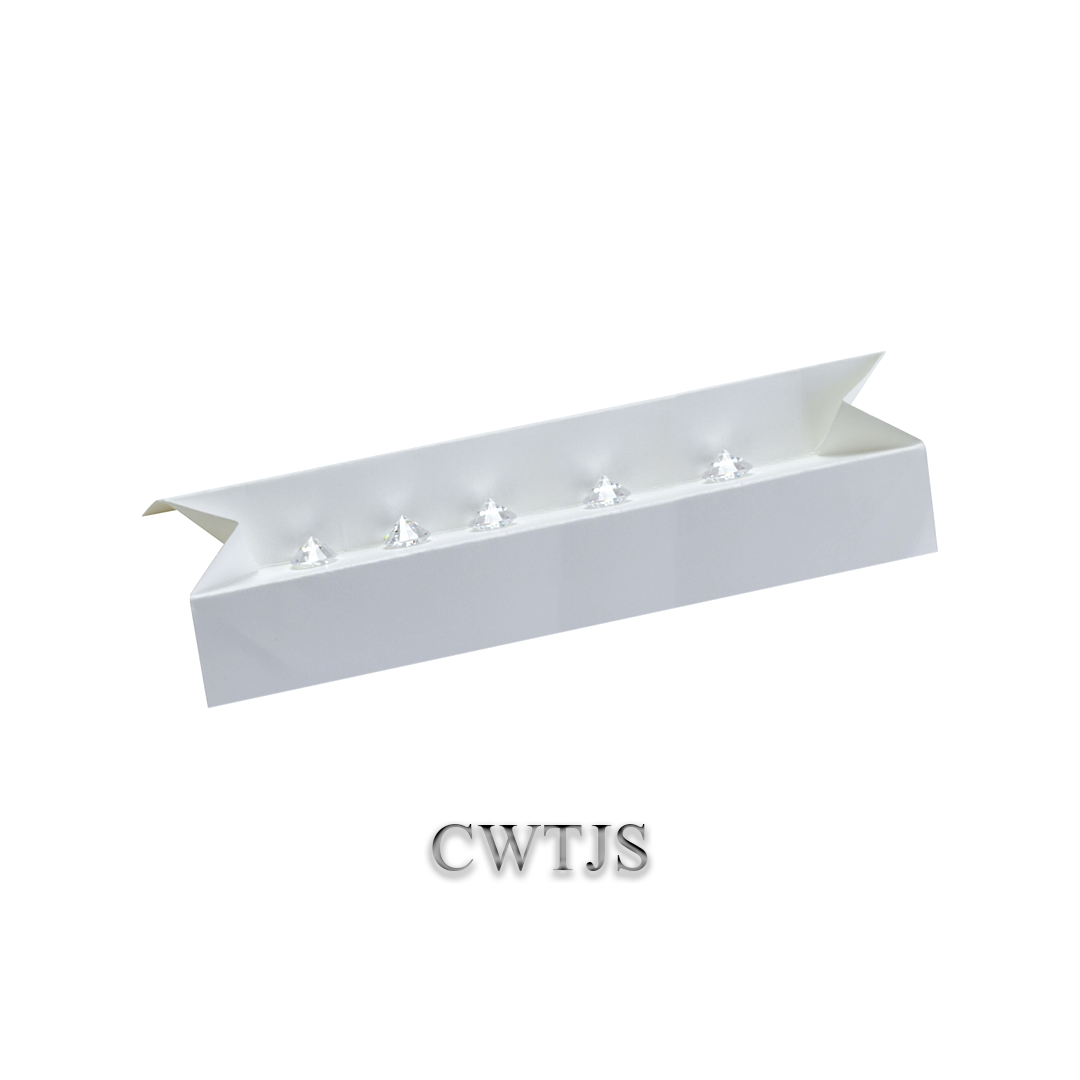
Colour Cards for Diamond Testing
Colour can dramatically influence the values of the other 3 C’s especially now that we know colours & synthetic stones can be controlled under certain conditions of high heat & high pressure (HPHT). D-L refer to the whites & M-Z refer to the tinted colours.
The paper or card the diamond is laid upon when its colour is checked is called coloured paper. When checking the colour of a polished diamond, it is important that there are no ambient influences which might alter one’s impression of a diamond’s true colour, such as the colour of the room, the work table, or even the clothes of the person checking the colour.
In order to prevent ambient colours from affecting the test, the diamond must be checked on a plain white background, with no gloss & with no yellowish hues, close to a neon light bulb, filtering the spectrum of colours. The easiest way to achieve these conditions is to fold a piece of white paper into a ‘V’, with the diamond laying in the resulting crease, the table facing down & the inspector looking at the body of the diamond through its pavilion. The upper side of the folded piece of paper blocks the background colours & allows one to accurately observe the true colour of the diamond. To make sure that the diamond doesn’t fall off the paper, the paper is folded & the diamond is laid on the inner crease. If one wishes to achieve a highly accurate colour grading, a Master Stone is laid next to the diamond. The colour paper or colour card is especially important when inspecting large diamonds, therefore all diamond dealers have these.
Some use it for advertising purposes. The advert is printed on the outer sides so that when the card is folded, it does not appear in the area that is used to inspect the diamond. These cards have now been turned into a type of business card that is used to check for colour, which is why it is called a “colour card”.

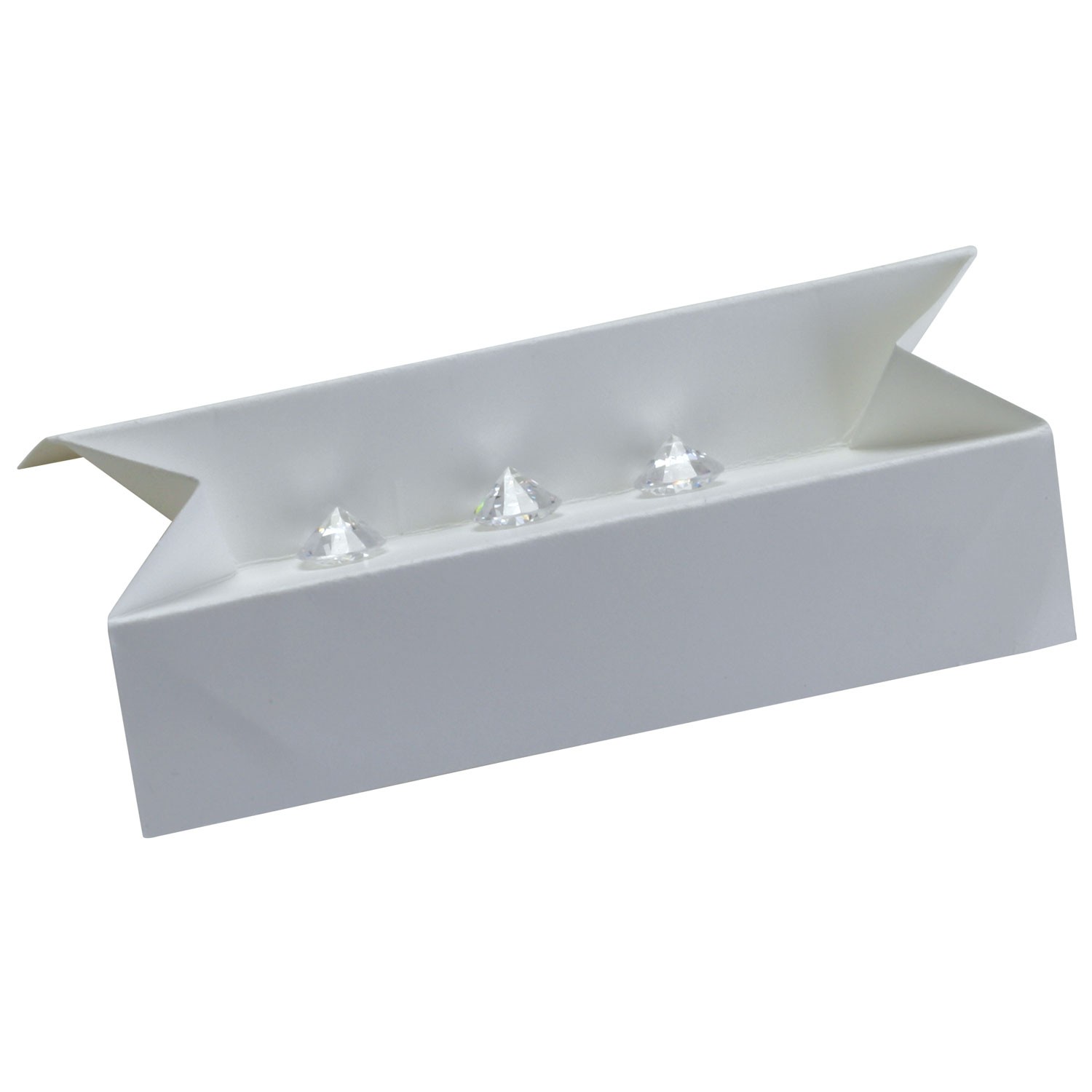
| Specification 1 | D0205 11x9cm, D0205-LG 17×8.5cm |
|---|
Be the first to review “Diamond Colour Cards”
You must be logged in to post a review.
Related products
DARKFIELD-PORTABLE
Diamond & Gem Testing


REFRACTOMETERS
Diamond & Gem Testing


PresidiumGemTester
Diamond & Gem Testing


DiamondFanGauge
Diamond & Gem Testing
Reviews
There are no reviews yet.